Centerline Team August 22, 2017
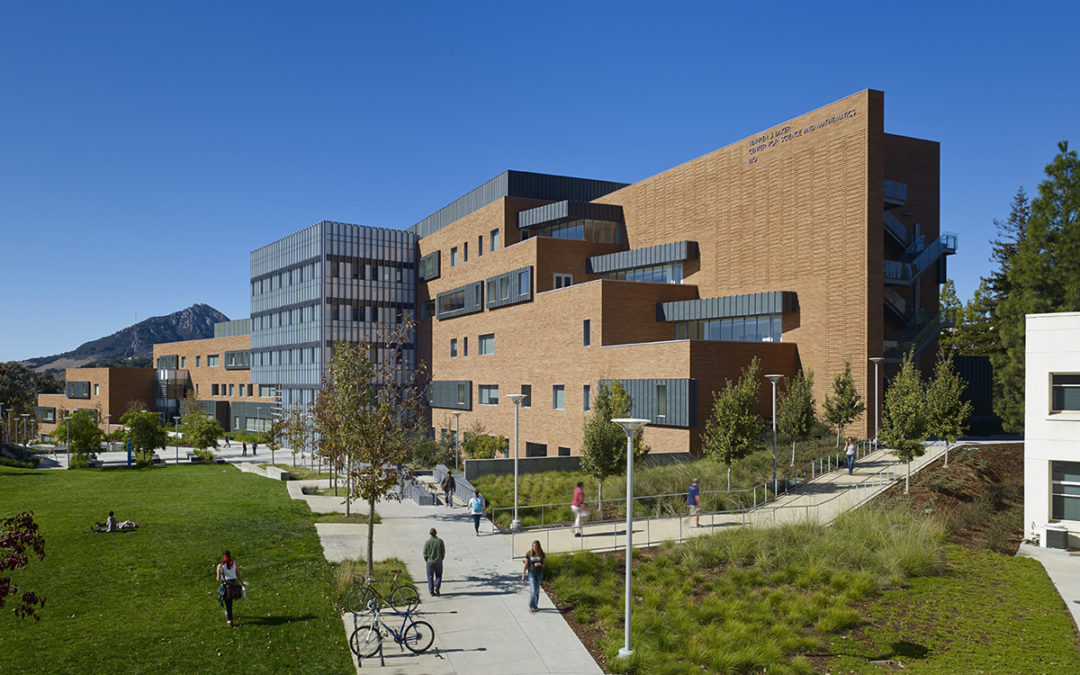
Four buildings that showcase sustainable design and provide high quality spaces for work and study have been recognized as part of the annual Livable Buildings Award, a program of UC Berkeley’s Center for the Built Environment (CBE). Although the four projects represent diverse building types, they all share success in providing indoor environments that achieve the highest levels of occupant satisfaction, as measured by CBE’s Occupant Survey.
More
Centerline Team July 14, 2017
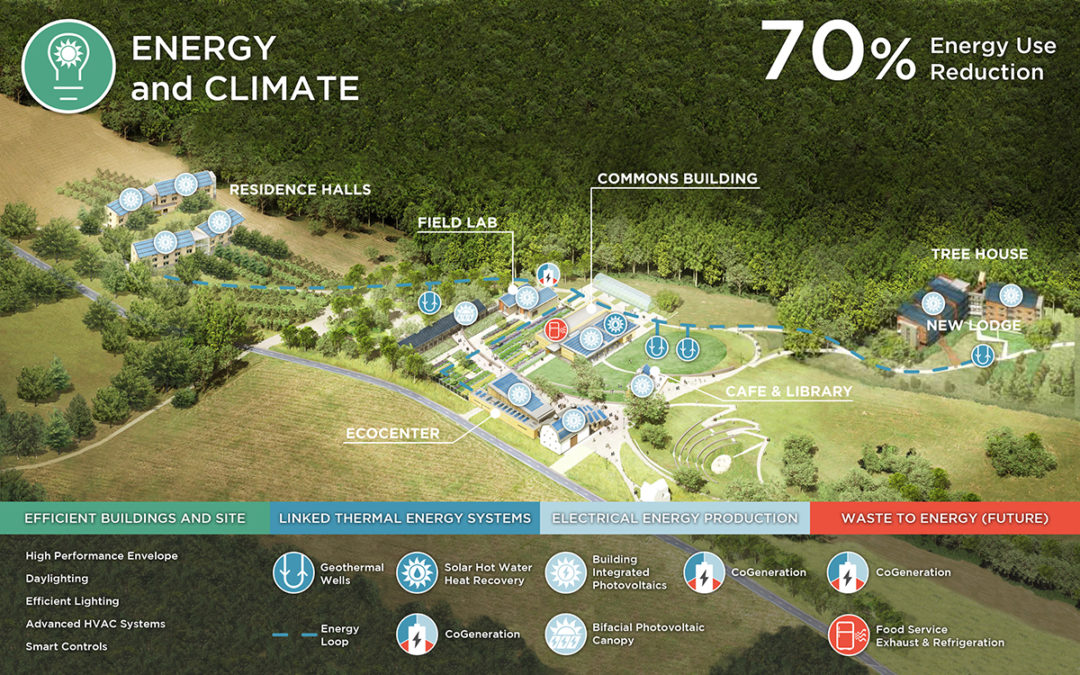
After a short hiatus, Interface Engineering rejoined CBE’s industry consortium this spring. With the firm’s emphasis on low-energy integrated design and creative collaboration, Interface’s participation will add significant value to CBE’s membership community.
More

Centerline Team June 1, 2017
The latest company to join CBE’s consortium, Aclima, has garnered global recognition as a leader in the application of sensor networks to provide environmental intelligence since coming out of stealth in 2015. Headquartered in San Francisco, the technology company provides information services from a unique sensing system powered by leading-edge environmental sensors, cloud computing, and artificial intelligence.
More
Centerline Team April 13, 2017
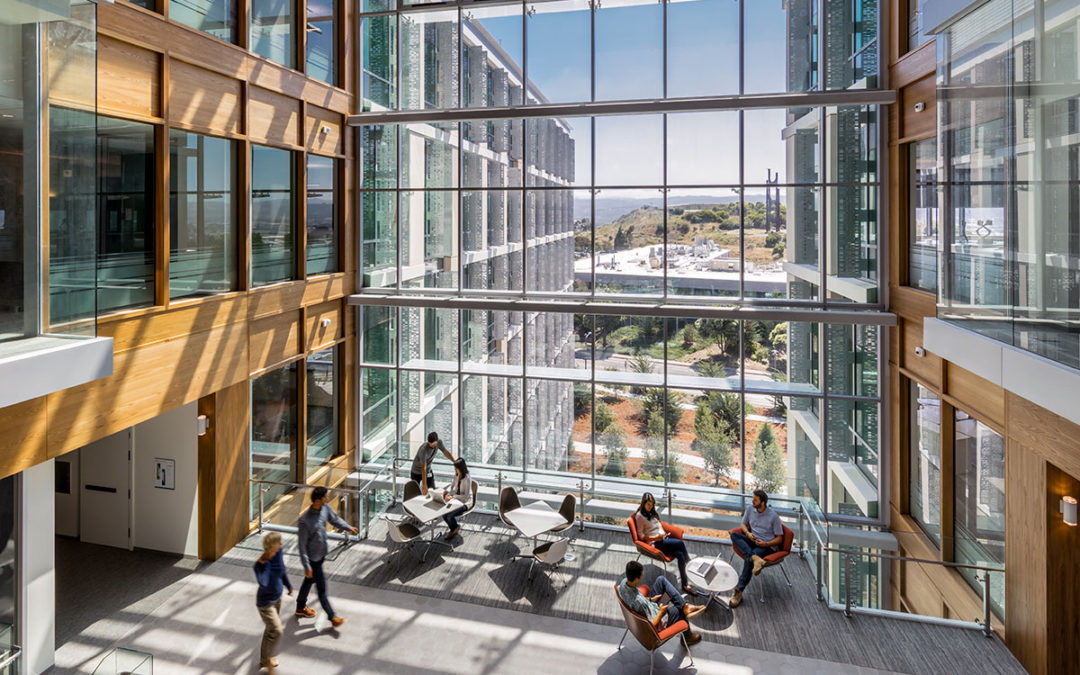
The latest company to join CBE’s industry consortium, Genentech has been leading biotechnology innovation for more than 40 years. Genentech discovers, develops, manufactures and commercializes medicines to treat patients with serious or life-threatening medical conditions. Headquartered in South San Francisco, the company also has additional facilities in California, Oregon and Kentucky, with more than 14,000 employees.
More
Centerline Team March 17, 2017
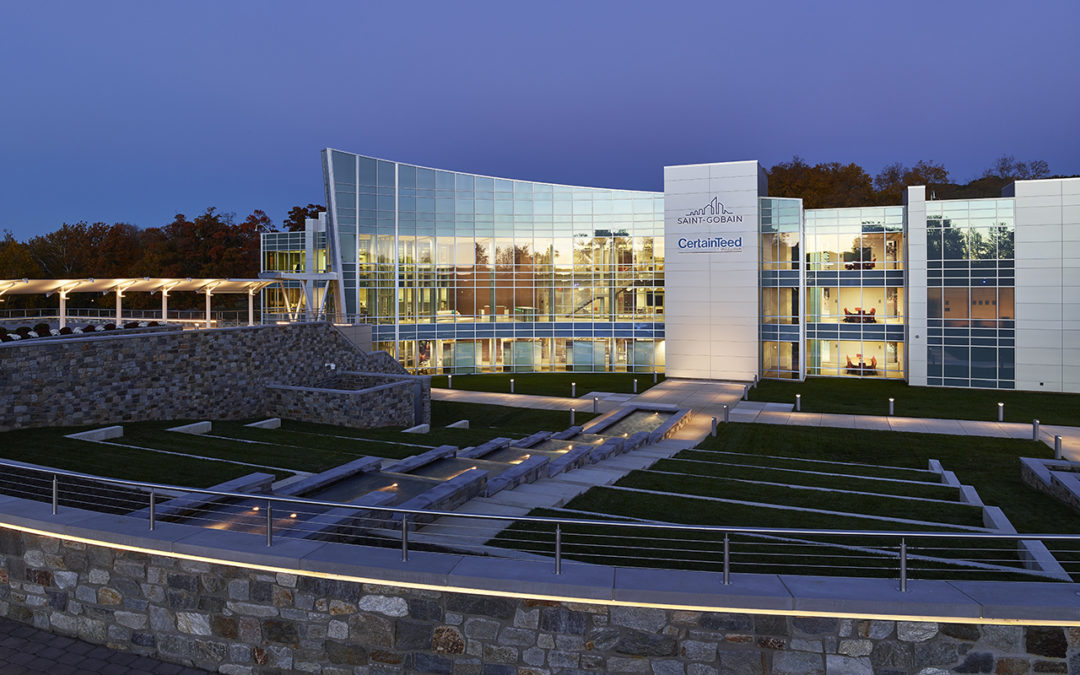
Over the past year, CBE welcomed three new members to its industry consortium: Saint-Gobain, TRC Energy Services, and Western Allied Mechanical, Inc. Representing manufacturing, engineering and construction, these companies reflect the diversity of CBE industry consortium, and provide the services and products needed to provide high-performing and resource-efficient buildings and places.
More